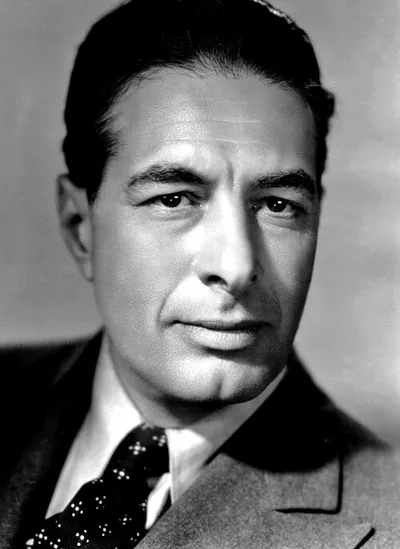
Irving Pichel
1891–1954 · American actor and film director
Biography
Irving Pichel (Pittsburgh, 1891 – Hollywood, 1954) was an American actor and director who earned respect in both roles during his Hollywood career. He came to film from the stage, having trained at Harvard and worked in California theatre, where he attracted notice as the title character in Eugene O'Neill's Lazarus Laughed at the Pasadena Playhouse in 1927. His path mirrors that of many stage performers who moved into the talkies at the start of the sound era.
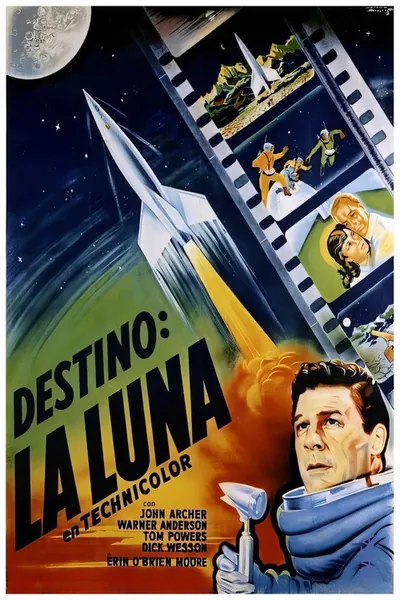
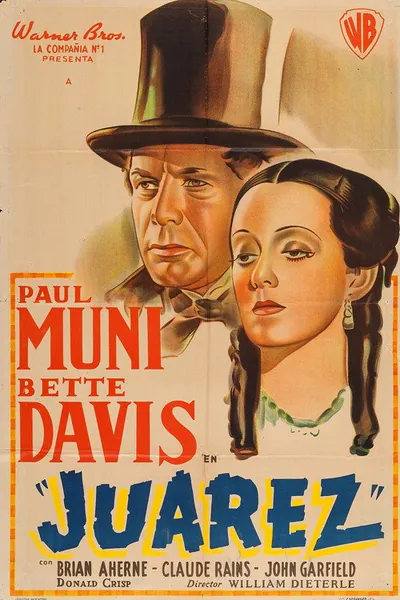
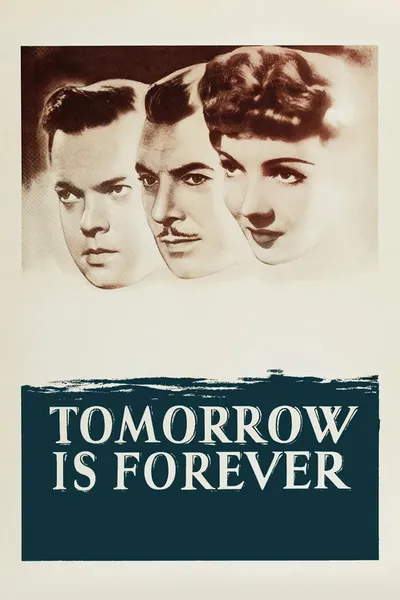
Paramount signed him in 1929, and through the 1930s he worked steadily as a character actor. Among his most recognisable parts are Fagin in the low-budget Oliver Twist (1933), the servant Sandor in Dracula's Daughter (1936), and a Mexican general in Juarez (1939). He later moved behind the camera, first on B-movies and then for 20th Century Fox, where he made anti-Nazi and pro-British films before America entered the war. His directing credits include The Most Dangerous Game (1932), Tomorrow Is Forever (1946) and Destination Moon (1950), an early Technicolor science fiction film whose effects won an Oscar.
In 1947 he was called before the House Un-American Activities Committee and was placed on the Hollywood blacklist, although he never testified. His final directing work was made in Europe, with Martin Luther (1953) and Day of Triumph (1954). He died shortly after finishing the latter and did not live to see its release. He is remembered as a versatile professional whose career was cut short by the political pressures of the period.
Key films
- Tomorrow Is Forever (1946): directed by Pichel, with Orson Welles and Claudette Colbert.
- Oliver Twist (1933): low-budget version in which he plays Fagin.
- The Most Dangerous Game (1932): directed by Pichel, a classic adventure about hunting humans.
- Dracula's Daughter (1936): as the servant Sandor in this horror sequel.
- Destination Moon (1950): directed by Pichel, an early science fiction film aiming for scientific accuracy.
- How Green Was My Valley (1941): his voice narrates the film.
Trivia
Schoolmates
At Pittsburgh Central High School he overlapped with George S. Kaufman, and the two collaborated on a play called The Failure.
An Oscar for effects
Destination Moon won the Academy Award for Special Visual Effects, and its scientific approach drew on work by Robert A. Heinlein and illustrator Chesley Bonestell.
On Cinematopedia
 How Green Was My Valley1941
 Jezebel1938
 Cleopatra1934
 She Wore a Yellow Ribbon1949
 Dracula's Daughter1936
 The Most Dangerous Game1932
 The Pied Piper1942
 Destination Moon1950
 Juarez1939
 Martin Luther1953
 I'm No Angel1933
 Tomorrow Is Forever1946
- The Right to Love 1930 · cast
- An American Tragedy 1931 · cast
- The Most Dangerous Game 1932 · director
- I'm No Angel 1933 · cast
- Oliver Twist 1933 · cast
- The Story of Temple Drake 1933 · cast
- Night Flight 1933 · cast
- Cleopatra 1934 · cast
- Fog Over Frisco 1934 · cast
- British Agent 1934 · cast
- She 1935 · director
- Special Agent 1935 · cast
- Dracula's Daughter 1936 · cast
- General Spanky 1936 · cast
- High, Wide and Handsome 1937 · cast
- Jezebel 1938 · cast
- Topper Takes a Trip 1938 · cast
- There Goes My Heart 1938 · cast
- Juarez 1939 · cast
- How Green Was My Valley 1941 · cast
- Swamp Water 1941 · director, producer
- The Pied Piper 1942 · director
- The Moon Is Down 1943 · director
- Happy Land 1943 · director
- And Now Tomorrow 1944 · director
- A Medal for Benny 1945 · director
- Tomorrow Is Forever 1946 · director, cast
- The Bride Wore Boots 1946 · director
- They Won't Believe Me 1947 · director, cast
- The Miracle of the Bells 1948 · director
- She Wore a Yellow Ribbon 1949 · cast
- Destination Moon 1950 · director
- The Great Rupert 1950 · director
- Martin Luther 1953 · director, cast
Original Cinematopedia text based on Wikipedia (es) and Wikipedia (en) and Wikidata.