
Gosha Kutsenko
b. 1967 · Russian actor, producer, screenwriter, singer and poet
Biography
Gosha Kutsenko is the stage name of Yuri Georgiyevich Kutsenko, born on 20 May 1967 in Zaporizhia, Ukraine. An actor, producer, screenwriter, singer and poet, he is best known for his work in Russian mainstream cinema of the 2000s and 2010s, a period when the country's film industry regained audiences with action, fantasy and thriller titles. He is one of the most recognisable faces of that cinema, both on screen and beyond it.
His film career includes Antikiller (2002) and Mama Don't Cry, as well as the two entries of the fantasy saga Night Watch (2004) and Day Watch (2006). In his roles he combines the work of a supporting performer with that of a producer and screenwriter who takes part in shaping his projects. Outside film he has worked as a singer and poet, and in 2008 he joined the United Russia political party.
In 2018 he served as a campaign representative for Moscow mayoral candidate Sergei Sobyanin. That same year, according to the Myrotvorets database website, he was listed there for visiting Crimea and for recognising the peninsula as Russian; the listing is disputed, and his presence on such lists has been debated in the press. His legacy remains tied to Russian popular culture of recent decades, although his public positions have generated controversy that is worth reading with care.
Key films
- Antikiller (2002): a title from his most visible period in Russian action cinema.
- Night Watch (2004): the first entry in the fantasy saga, in a supporting role within a large ensemble.
- Day Watch (2006): the second entry in the saga, continuing the story of the Others.
- The Darkest Hour (2011): an international co-production shot partly in Moscow, in which he appears in a secondary role.
Trivia
Political career
In 2008 he joined the United Russia party, and in 2018 he was a campaign representative for Sergei Sobyanin's Moscow mayoral bid.
Myrotvorets listing
Since June 2018 he has been listed on the Myrotvorets website for visiting Crimea and recognising the peninsula as Russian, a listing that has been publicly disputed.
On Cinematopedia
 Night Watch2004
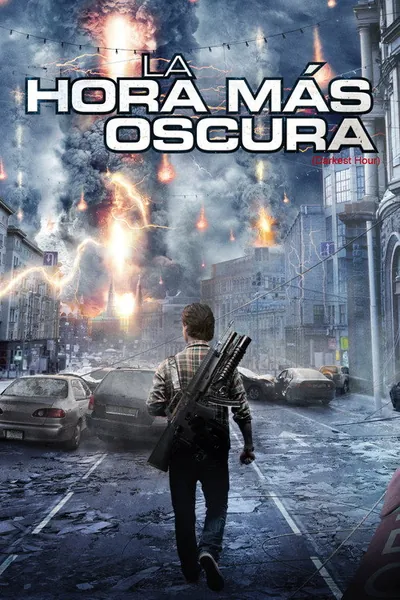 The Darkest Hour2011
 Day Watch2006
 The Balkan Line2019
 Dark Planet2008
 August Eighth2012
 Moms2012
 Dreams1993Eight and a Half Dollars1999Eight and a Half Dollars1999
 Antikiller2002Garpastum2005Garpastum2005Paragraph 782007Paragraph 782007
- Dreams 1993 · cast
- Mama Don't Cry 1997 · cast
- Eight and a Half Dollars 1999 · cast
- Antikiller 2002 · cast
- Night Watch 2004 · cast
- Mars 2004 · cast
- Garpastum 2005 · cast
- Day Watch 2006 · cast
- Paragraph 78 2007 · cast
- Gloss 2007 · cast
- Dark Planet 2008 · cast
- The Darkest Hour 2011 · cast
- The Practice of Beauty 2011 · screenplay, producer, cast
- August Eighth 2012 · cast
- Moms 2012 · cast
- And Here's What's Happening to Me 2012 · screenplay, producer, cast
- Yolki 3 2013 · cast
- The Land of Oz 2015 · cast
- Yolki 5 2016 · cast
- About Love 2 2017 · cast
- The Balkan Line 2019 · producer, cast
Original Cinematopedia text based on Wikipedia (es) and Wikipedia (en) and Wikidata.