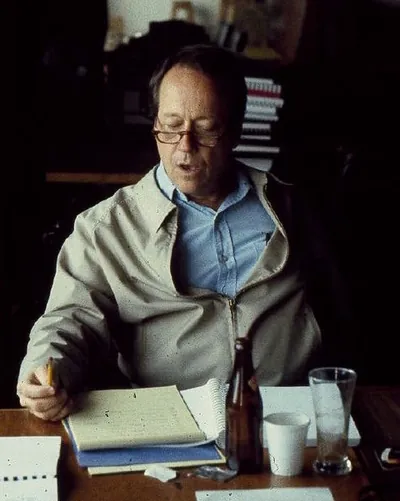
George Roy Hill
1921–2002 · American film director, writer and producer
Biography
George Roy Hill (December 20, 1921 – December 27, 2002) was an American film director, writer and producer, trained also as an actor and pilot. His career moved between television in the 1950s, the Broadway stage and Hollywood from the 1960s to the 1980s. He is remembered above all for his work with Paul Newman and Robert Redford and for The Sting, which won him the Academy Award for Best Director in 1973.
He was born in Minneapolis into a family with interests in newspapers. He graduated from Yale University in 1943 and later studied literature at Trinity College Dublin. During the Second World War he flew transport aircraft in the Pacific, and when the Korean War broke out he returned to service as a night fighter pilot. After a period as an actor in New York and on Irish stages, he started out as a television director, working on episodes of Kraft Television Theatre and Playhouse 90, and on Broadway he staged works such as Tennessee Williams's Period of Adjustment.
His move into film came with the screen version of that same play (1962), followed by Toys in the Attic (1963). With The World of Henry Orient (1964), a comedy starring Peter Sellers, he developed a style that moved constantly between laughter and drama, a trait that runs through much of his work. He then directed Hawaii (1966), an epic of more than three hours, and Thoroughly Modern Millie (1967), a musical with Julie Andrews. It was a box office hit, although the studio took the final cut away from him after he tried to shorten it.
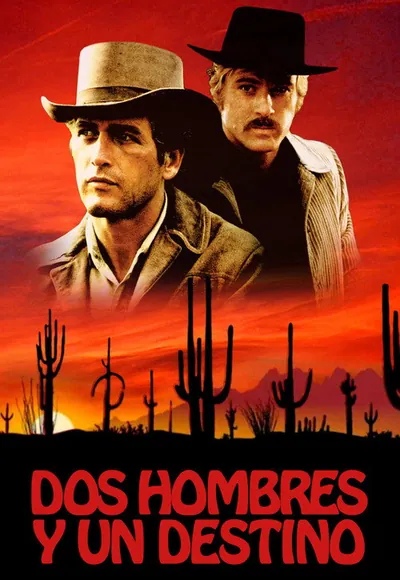
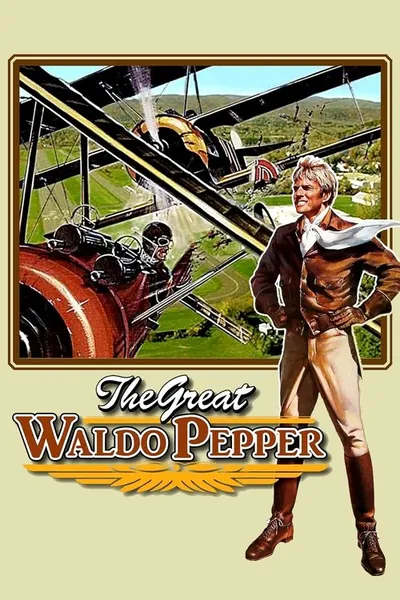
Butch Cassidy and the Sundance Kid (1969), written by William Goldman, was his biggest commercial success and the first time Newman and Redford appeared together on screen. It was followed by Slaughterhouse-Five (1972), an adaptation of Kurt Vonnegut's novel, and The Sting (1973), a caper comedy set in the 1930s. He went on to direct The Great Waldo Pepper (1975), about barnstorming pilots, which he also wrote and produced; Slap Shot (1977), with Paul Newman as a hockey player; and A Little Romance (1979), with Diane Lane and Laurence Olivier.
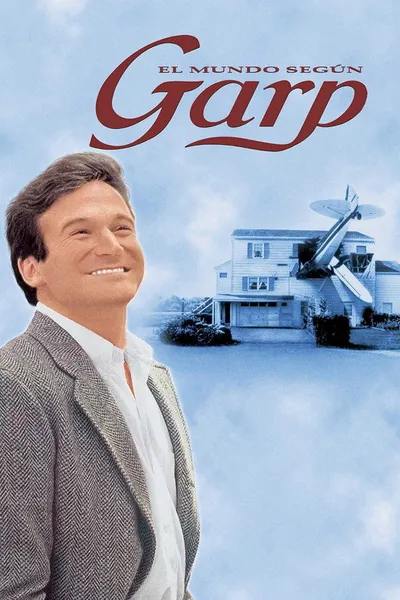
In the 1980s he adapted The World According to Garp (1982), with Robin Williams and Glenn Close, and then made The Little Drummer Girl (1984) and Funny Farm (1988), which ended his directing career. His legacy rests on a personal, often melancholy and demythologising kind of filmmaking, and on careful work with actors. His films with Newman and Redford remain the most widely seen and discussed in his filmography.
Key films
- Butch Cassidy and the Sundance Kid (1969): the hit that brought Newman and Redford together.
- The Sting (1973): caper comedy that earned him the Oscar for Best Director.
- Hawaii (1966): epic production based on a best-selling novel.
- Slaughterhouse-Five (1972): Kurt Vonnegut adaptation with a more restrained tone.
- The World According to Garp (1982): John Irving adaptation starring Robin Williams and Glenn Close.
Trivia
Polynesian cast strike
According to reports, when producers tried to replace Hill on Hawaii over the budget, hundreds of Polynesian cast members went on strike, saying they would perform only for their friend Hill.
Two of the biggest box office hits
The two films he made with Newman and Redford, Butch Cassidy and the Sundance Kid and The Sting, meant that for a time Hill was the only director to have made two of the ten highest-grossing films of all time.
On Cinematopedia
 The Sting1973
 Butch Cassidy and the Sundance Kid1969
 Thoroughly Modern Millie1967
 The World According to Garp1982
 A Little Romance1979
 Hawaii1966
 Slaughterhouse-Five1972
 The Great Waldo Pepper1975
 Slap Shot1977
 The World of Henry Orient1964
 Funny Farm1988
 The Little Drummer Girl1984
- Period of Adjustment 1962 · director
- Toys in the Attic 1963 · director
- The World of Henry Orient 1964 · director
- Hawaii 1966 · director
- Thoroughly Modern Millie 1967 · director
- Butch Cassidy and the Sundance Kid 1969 · director
- Slaughterhouse-Five 1972 · director
- The Sting 1973 · director
- The Great Waldo Pepper 1975 · director, producer
- Slap Shot 1977 · director
- A Little Romance 1979 · director
- The World According to Garp 1982 · director, producer, cast
- The Little Drummer Girl 1984 · director
- Funny Farm 1988 · director
Original Cinematopedia text based on Wikipedia (es) and Wikipedia (en) and Wikidata.