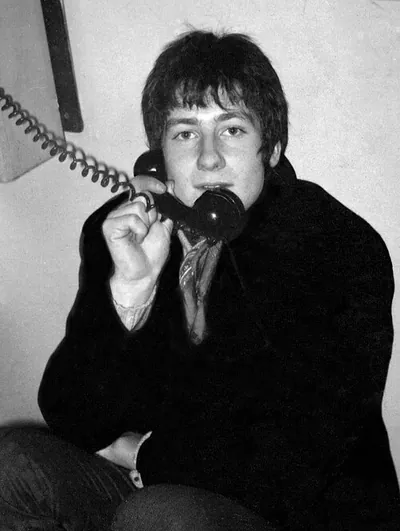
George Fenton
1949–2026 · British composer of film, television and documentary scores
Biography
George Fenton (born George Richard Ian Howe in Bromley, Kent, 19 October 1949; died in London, 5 October 2026) was a British composer best known for scoring a wide range of films and television programmes. He also wrote music for the theatre. Over four decades, his work spanned historical drama, romantic comedy, British television and, perhaps most widely heard, natural history documentaries.
He was educated at St Edward's School in Oxford and began his career as an actor, appearing in an Alan Bennett play in the West End in 1968. He soon turned towards composing. In 1974 he received his first major commission, writing and directing the music for Peter Gill's production of Twelfth Night for the Royal Shakespeare Company in Stratford-upon-Avon. Theatre work followed for many years, much of it with Gill.
His first television score came in 1976, for Hitting Town. He went on to work repeatedly with Alan Bennett and Stephen Frears on British television, and his film breakthrough was Gandhi (1982), directed by Richard Attenborough, which earned him an Oscar nomination shared with Ravi Shankar. He returned to Attenborough several times and also scored films for Nicholas Hytner, Neil Jordan and, from 1994, Ken Loach, for whom he eventually composed eighteen features.
In wildlife documentaries he worked for the BBC, often with David Attenborough and Alastair Fothergill. From 1990 he wrote music for series including Life in the Freezer and Planet Earth, and his score for The Blue Planet brought him an Ivor Novello Award, a BAFTA and an Emmy. He later adapted several of these scores into concert productions that have been performed in venues around the world.
He was appointed CBE in the 2023 New Year Honours for services to music. He founded the Association of Professional Composers, which later merged into the British Academy of Songwriters, Composers and Authors. His last film score was for the romantic comedy Up Against It (2026), released a month before his death. His legacy lies in the breadth of his output, from period drama to nature films.
Key films
- Gandhi (1982): his first major film score, which brought an Academy Award nomination.
- Dangerous Liaisons (1988): one of four films he scored for Stephen Frears, with a courtly style that became widely recognised.
- Groundhog Day (1993): Harold Ramis's comedy, one of his most widely remembered scores.
- The Wind That Shakes the Barley (2006): the Ken Loach film that won the Palme d'Or at Cannes.
- Hitch (2005): a romantic comedy directed by Andy Tennant, one of several films they made together.
Trivia
An unexpected hit in Sweden
In 1969 his cover of the Beatles' Maxwell's Silver Hammer was released and reached number one for two weeks on the Swedish chart in early 1970.
Awards for The Blue Planet
His score for The Blue Planet earned him an Ivor Novello Award, a BAFTA and an Emmy for Best Television Score.
On Cinematopedia
 Gandhi1982
 Dangerous Liaisons1988
 Groundhog Day1993
 I, Daniel Blake2016
 The Wind That Shakes the Barley2006
 The Fisher King1991
 Anna and the King1999
 Land and Freedom1995
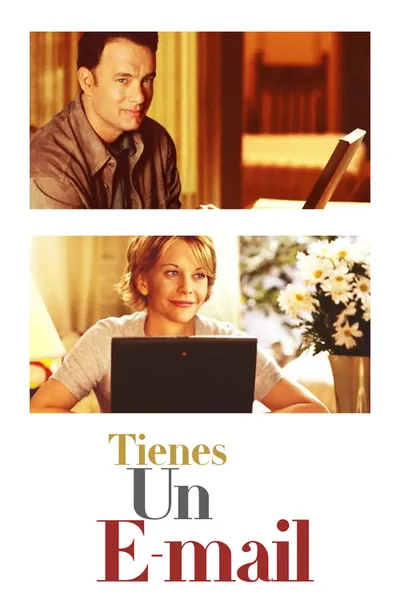 You've Got Mail1998
 The Madness of King George1994
 Hitch2005
 Cry Freedom1987
- Private Road 1971 · cast
- Gandhi 1982 · music
- The Company of Wolves 1984 · music
- Clockwise 1986 · music
- Cry Freedom 1987 · music
- 84 Charing Cross Road 1987 · music
- White Mischief 1987 · music
- Dangerous Liaisons 1988 · music
- High Spirits 1988 · music
- A Handful of Dust 1988 · music
- We're No Angels 1989 · music
- Memphis Belle 1990 · music
- White Palace 1990 · music
- The Fisher King 1991 · music
- Hero 1992 · music
- Final Analysis 1992 · music
- Groundhog Day 1993 · music
- Shadowlands 1993 · music
- Born Yesterday 1993 · music
- The Madness of King George 1994 · music
- Immortal Beloved 1994 · music
- Mixed Nuts 1994 · music
- China Moon 1994 · music
- Ladybird, Ladybird 1994 · music
- Land and Freedom 1995 · music
- The Crucible 1996 · editing, music
- In Love and War 1996 · music
- Mary Reilly 1996 · music
- Multiplicity 1996 · music
- Heaven's Prisoners 1996 · music
- Carla's Song 1996 · music
- You've Got Mail 1998 · music
- The Object of My Affection 1998 · music
- Ever After 1998 · music
- Dangerous Beauty 1998 · music
- My Name Is Joe 1998 · music
- Anna and the King 1999 · music
- Grey Owl 1999 · music
- Center Stage 2000 · music
- Lucky Numbers 2000 · music
- Bread and Roses 2000 · music
- Summer Catch 2001 · music
- The Navigators 2001 · music
- Sweet Home Alabama 2002 · music
- Imagining Argentina 2002 · music
- Sweet Sixteen 2002 · music
- Deep Blue 2003 · music
- Stage Beauty 2004 · music
- Ae Fond Kiss... 2004 · music
- Hitch 2005 · music
- Bewitched 2005 · music
- Mrs Henderson Presents 2005 · music
- Tickets 2005 · music
- The Wind That Shakes the Barley 2006 · music
- Last Holiday 2006 · music
- The History Boys 2006 · music
- Earth 2007 · music
- It's a Free World... 2007 · music
- Fool's Gold 2008 · music
- Looking for Eric 2009 · music
- The Bounty Hunter 2010 · music
- Route Irish 2010 · music
- One Life 2011 · music
- The Angels' Share 2012 · music
- The Zero Theorem 2013 · music
- The Spirit of '45 2013 · music
- Jimmy's Hall 2014 · music
- The Lady in the Van 2015 · music
- Absolutely Anything 2015 · music
- I, Daniel Blake 2016 · music
- Red Joan 2018 · music
- Woman Walks Ahead 2018 · music
- Cold Pursuit 2019 · music
- Sorry We Missed You 2019 · music
- The Duke 2020 · music
- The Old Oak 2023 · music
- The Choral 2025 · music
Original Cinematopedia text based on Wikipedia (es) and Wikipedia (en) and Wikidata.