
Dolph Sweet
1920–1985 · American actor of film, television and stage
Biography
Dolph Sweet (New York City, 1920 - Tarzana, California, 1985) was an American actor who became known for playing policemen and figures of authority, with a career spread across stage, television and film. Born Adolphus Jean Sweet, he worked as a drama teacher before turning to acting full time.
During the Second World War he served as a navigator on B-24 bombers. His aircraft was shot down over Romania during Operation Tidal Wave, and he spent two years as a prisoner of war. There he joined fellow inmates in staging short plays, which sparked his interest in acting. After the war he studied at Columbia University and spent twelve years teaching at Barnard College, where he rose to head the drama department. He made his Broadway debut in 1961, at the age of forty, in Rhinoceros.
His film work included supporting parts in The Swimmer and Reds, and on television he played policeman Gil McGowan on the soap opera Another World. His best-known role came in the sitcom Gimme a Break!, where he played police chief Carl Kanisky until his death. Diagnosed with stomach cancer during the show's fourth season, he kept working to the end. His legacy rests largely on a dependable body of character work across television and film from the 1960s to the 1980s.
Key films
- You're a Big Boy Now (1966): a policeman in Francis Ford Coppola's early comedy.
- The Swimmer (1968): a supporting role in Frank Perry's drama.
- The New Centurions (1972): a police officer in the story of Los Angeles recruits.
- Heaven Can Wait (1978): a small part in the romantic comedy directed by Warren Beatty.
- Reds (1981): a role in Warren Beatty's historical drama.
Trivia
An interrupted flight
During the Second World War, his plane was shot down over Romania during Operation Tidal Wave, and he spent two years as a prisoner of war.
A farewell on television
His co-star Nell Carter gave the eulogy at his funeral on May 11, 1985, and recorded a short tribute that aired the same night.
On Cinematopedia
 Reds1981
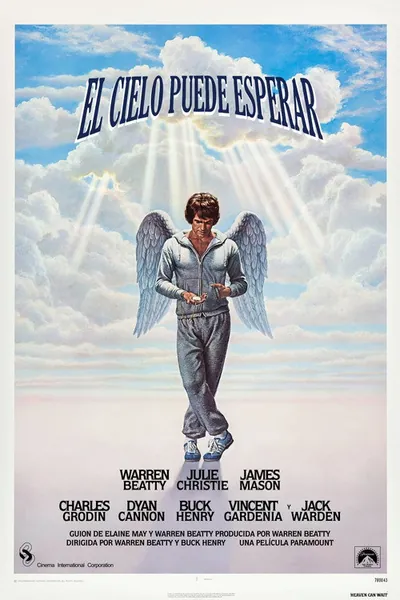 Heaven Can Wait1978
 Sisters1972
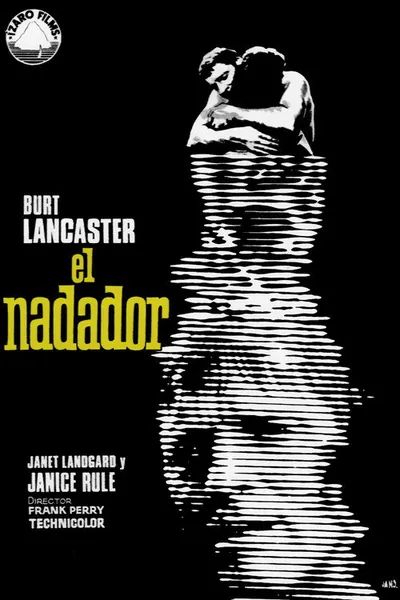 The Swimmer1968
 Finian's Rainbow1968
 Colossus: The Forbin Project1969
 You're a Big Boy Now1966
 The Wanderers1979
 A Lovely Way to Die1968
 The Out-of-Towners1970
 The New Centurions1972
 Go Tell the Spartans1978
- You're a Big Boy Now 1966 · cast
- The Swimmer 1968 · cast
- Finian's Rainbow 1968 · cast
- A Lovely Way to Die 1968 · cast
- Colossus: The Forbin Project 1969 · cast
- The Out-of-Towners 1970 · cast
- Sisters 1972 · cast
- The New Centurions 1972 · cast
- Fear Is the Key 1972 · cast
- Heaven Can Wait 1978 · cast
- Go Tell the Spartans 1978 · cast
- The Wanderers 1979 · cast
- Reds 1981 · cast
Original Cinematopedia text based on Wikipedia (es) and Wikipedia (en) and Wikidata.