
Charles Pearce Coleman
1885–1951 · American actor of Australian birth, known for butler and manservant roles
Biography
Charles Pearce Coleman (Sydney, December 22, 1885 – Los Angeles, March 8, 1951) was an Australian-born actor who became an American citizen and worked as a character actor in the silent and sound eras. He is best remembered for playing butlers, valets and other manservants, and he appeared in more than two hundred films, which made him a familiar face in classic Hollywood even when his name rarely appeared at the top of the credits.
His screen career began in 1915 with The Mummy and the Hummingbird, the film that also marked the screen debut of stage actor Charles Cherry. During the 1930s he turned up in a wide range of productions, from musicals such as Shall We Dance to dramas like Becky Sharp, the first feature shot entirely in Technicolor. He also worked on stage, where he was leading man for Pauline Frederick in tours of Australia and the United States, and he performed on Broadway.
His last film released in his lifetime was Double Dynamite in 1951, a few months before he died of a stroke at the Motion Picture Country Home in Los Angeles. His legacy rests on the many supporting roles that gave studio pictures of his era their texture.
Key films
- Captains Courageous (1937): plays Burns, the butler, in an uncredited role.
- Anchors Aweigh (1945): appears in the musical comedy starring Gene Kelly and Frank Sinatra.
- Jane Eyre (1943): takes part in the adaptation of Charlotte Brontë's novel.
- Becky Sharp (1935): appears in the first major feature shot entirely in Technicolor.
- The Great Ziegfeld (1936): appears in the musical biopic about the Broadway producer.
Trivia
A shared debut
His first film, The Mummy and the Hummingbird (1915), was also the screen debut of Charles Cherry, a well-known stage actor.
A posthumous release
Double Dynamite was filmed in 1948, but Howard Hughes kept it on the shelf for several years, and it was not released until after Coleman died.
On Cinematopedia
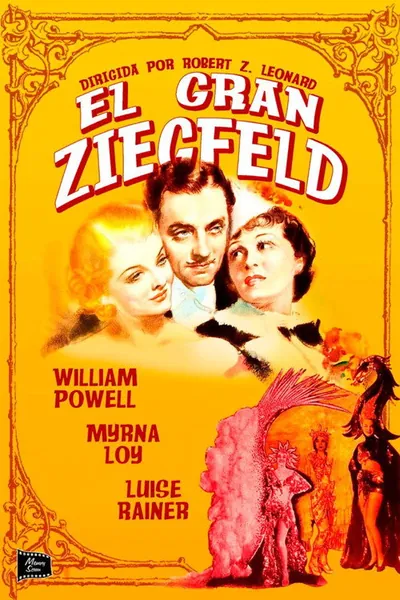 The Great Ziegfeld1936
 Captains Courageous1937
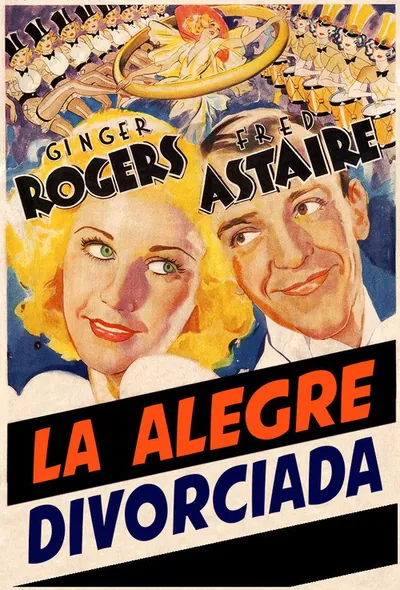 The Gay Divorcee1934
 The Westerner1940
 Anchors Aweigh1945
 Alexander's Ragtime Band1938
 One Hour with You1932
 Becky Sharp1935
 One Hundred Men and a Girl1937
 The Cowboy and the Lady1938
 Jane Eyre1943
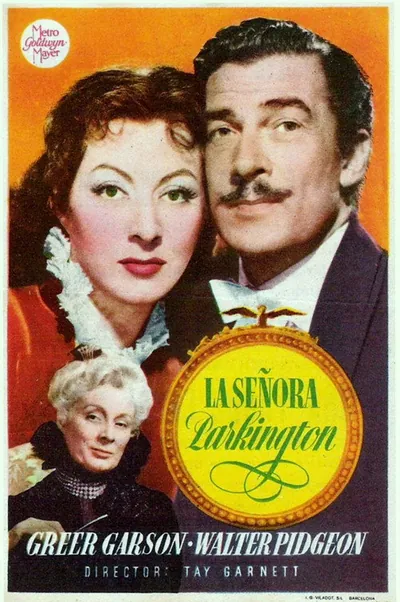 Mrs. Parkington1944
- Big Dan 1923 · cast
- One Hour with You 1932 · cast
- Baby Face 1933 · cast
- The Gay Divorcee 1934 · cast
- The Girl from Missouri 1934 · cast
- The Richest Girl in the World 1934 · cast
- Housewife 1934 · cast
- Born to Be Bad 1934 · cast
- Becky Sharp 1935 · cast
- Magnificent Obsession 1935 · cast
- The Man Who Broke the Bank at Monte Carlo 1935 · cast
- The Great Ziegfeld 1936 · cast
- Three Smart Girls 1936 · cast
- Lloyd's of London 1936 · cast
- Born to Dance 1936 · cast
- Poor Little Rich Girl 1936 · cast
- The King Steps Out 1936 · cast
- Captains Courageous 1937 · cast
- One Hundred Men and a Girl 1937 · cast
- Shall We Dance 1937 · cast
- The Prince and the Pauper 1937 · cast
- Love Is News 1937 · cast
- Broadway Melody of 1938 1937 · cast
- Danger – Love at Work 1937 · cast
- The Last Gangster 1937 · cast
- Alexander's Ragtime Band 1938 · cast
- The Cowboy and the Lady 1938 · cast
- Carefree 1938 · cast
- The Shining Hour 1938 · cast
- That Certain Age 1938 · cast
- The Rage of Paris 1938 · cast
- Little Miss Broadway 1938 · cast
- Gateway 1938 · cast
- First Love 1939 · cast
- In Name Only 1939 · cast
- They Shall Have Music 1939 · cast
- The Westerner 1940 · cast
- Boom Town 1940 · cast
- Brother Orchid 1940 · cast
- Andy Hardy Meets Debutante 1940 · cast
- Buck Privates 1941 · cast
- It Started with Eve 1941 · cast
- Arabian Nights 1942 · cast
- Jane Eyre 1943 · cast
- Sherlock Holmes Faces Death 1943 · cast
- Girl Crazy 1943 · cast
- Du Barry Was a Lady 1943 · cast
- Air Raid Wardens 1943 · cast
- Two Tickets to London 1943 · cast
- Mrs. Parkington 1944 · cast
- The White Cliffs of Dover 1944 · cast
- Frenchman's Creek 1944 · cast
- Lady in the Dark 1944 · cast
- Marriage Is a Private Affair 1944 · cast
- Anchors Aweigh 1945 · cast
- Ziegfeld Follies 1945 · cast
- Kitty 1945 · cast
- Cluny Brown 1946 · cast
- I've Always Loved You 1946 · cast
- Lured 1947 · cast
- Variety Girl 1947 · cast
- A Connecticut Yankee in King Arthur's Court 1949 · cast
- My Friend Irma 1949 · cast
- Double Dynamite 1951 · cast
Original Cinematopedia text based on Wikipedia (es) and Wikipedia (en) and Wikidata.