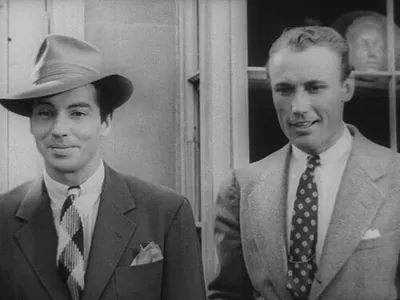
Carleton Young
1905–1994 · American character actor
Biography
Carleton Young (Fulton, New York, 1905 – 1994) was an American character actor best known for his deep voice. He worked across film, radio and television for nearly four decades, and his name is linked to the John Ford stock company, which gave him steady work in classic Westerns.
Raised in Syracuse, he enlisted in the U.S. Army in his thirties as a private in the air corps and left the service as a captain. Before films he had appeared in a 1934 Broadway production. His screen debut came with The Fighting Marines (1935), and his long career includes a very large number of mostly supporting roles, many of them uncredited.
In the late 1930s and early 1940s he played Billy the Kid's sidekick in the first films of that series. He later moved into military, official and journalistic parts in titles such as From Here to Eternity and 20,000 Leagues Under the Sea. His role as a newspaper editor in The Man Who Shot Liberty Valance gave him one of his most quoted lines.
He also had a brief radio career in the title role of The Whisperer and worked on many television series, including Wagon Train. His last notable credit was the 1973 series The Magician. He is remembered today as a familiar face of postwar Hollywood and the Western.
Key films
- Reefer Madness (1936), in a supporting role in the notorious anti-drug cautionary film.
- From Here to Eternity (1953), as a supporting player in Fred Zinnemann's military drama.
- 20,000 Leagues Under the Sea (1954), in Richard Fleischer's adaptation of Verne.
- The Man Who Shot Liberty Valance (1962), as a newspaper editor in John Ford's Western.
- Dick Tracy (1990), in one of his final screen appearances.
Trivia
Canned Los Angeles smog
Young formed the Los Angeles Smog Corp., which made cans of "genuine Los Angeles smog" sold as novelty items.
A line for Western history
In The Man Who Shot Liberty Valance he delivered one of the genre's most famous lines: "When the legend becomes fact, print the legend."
On Cinematopedia
 From Here to Eternity1953
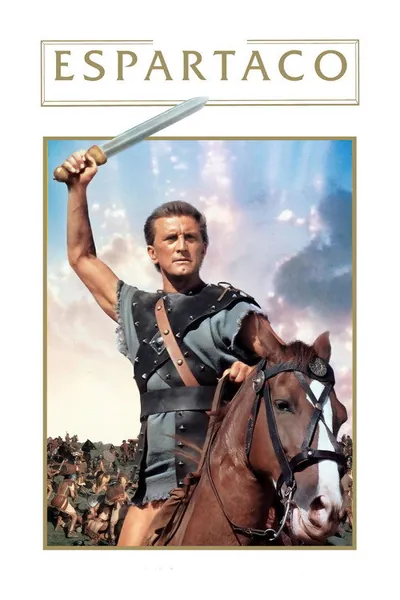 Spartacus1960
 How the West Was Won1962
 North by Northwest1959
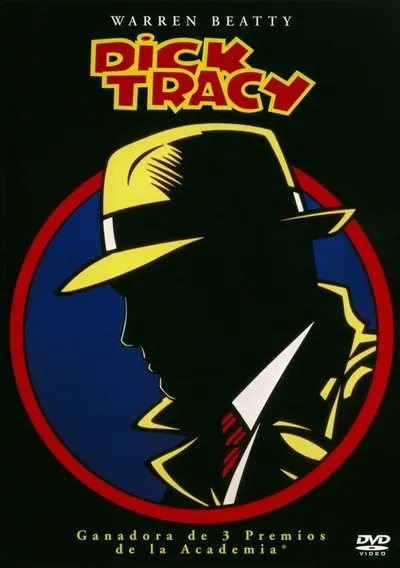 Dick Tracy1990
 20,000 Leagues Under the Sea1954
 The Man Who Shot Liberty Valance1962
 The Day the Earth Stood Still1951
 The Glenn Miller Story1954
 The Horse Soldiers1959
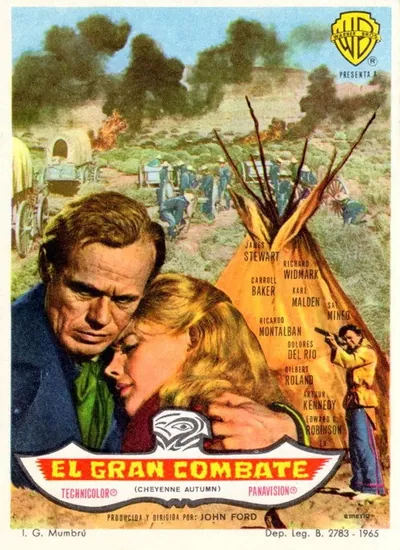 Cheyenne Autumn1964
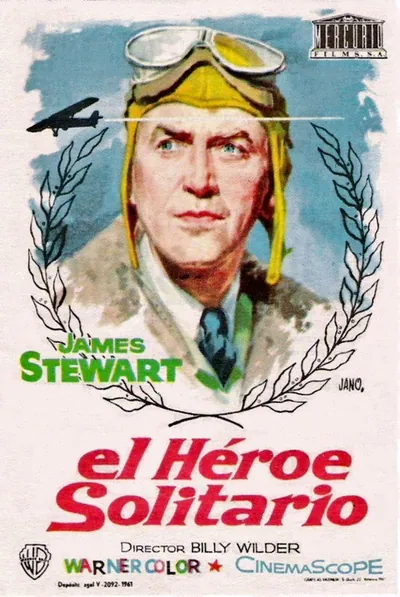 The Spirit of St. Louis1957
- Reefer Madness 1936 · cast
- Buck Rogers 1939 · cast
- Keep 'Em Flying 1941 · cast
- Buck Privates 1941 · cast
- Texas 1941 · cast
- Smash-Up, the Story of a Woman 1947 · cast
- American Guerrilla in the Philippines 1950 · cast
- The Day the Earth Stood Still 1951 · cast
- The Blue Veil 1951 · cast
- Flying Leathernecks 1951 · cast
- Anne of the Indies 1951 · cast
- People Will Talk 1951 · cast
- Kansas City Confidential 1952 · cast
- Diplomatic Courier 1952 · cast
- From Here to Eternity 1953 · cast
- A Blueprint for Murder 1953 · cast
- 20,000 Leagues Under the Sea 1954 · cast
- The Glenn Miller Story 1954 · cast
- Prince Valiant 1954 · cast
- Artists and Models 1955 · cast
- The Court-Martial of Billy Mitchell 1955 · cast
- The Racers 1955 · cast
- Beyond a Reasonable Doubt 1956 · cast
- While the City Sleeps 1956 · cast
- Julie 1956 · cast
- The Spirit of St. Louis 1957 · cast
- Jet Pilot 1957 · cast
- Run of the Arrow 1957 · cast
- Battle Hymn 1957 · cast
- The Last Hurrah 1958 · cast
- The Perfect Furlough 1958 · cast
- North by Northwest 1959 · cast
- The Horse Soldiers 1959 · cast
- Spartacus 1960 · cast
- Sergeant Rutledge 1960 · cast
- How the West Was Won 1962 · cast
- The Man Who Shot Liberty Valance 1962 · cast
- Cheyenne Autumn 1964 · cast
- Dick Tracy 1990 · cast
Original Cinematopedia text based on Wikipedia (en) and Wikidata.