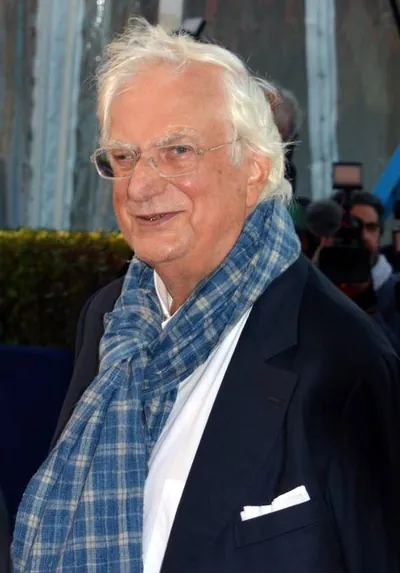
Bertrand Tavernier
1941–2021 · French director, screenwriter, producer and actor
Biography
Bertrand Tavernier (25 April 1941 – 25 March 2021) was a French film director, screenwriter, producer and actor. Starting out as a publicist and working with Jean-Pierre Melville, he became one of the most recognised French auteurs of the 1970s to the 2000s, with a body of work that moved between genre films and socially engaged drama.
Born in Lyon, he was the son of René Tavernier, a publicist and writer who served for several years as president of the French PEN Club. Tavernier often said that his father's publication of a wartime resistance journal, and his help to anti-Nazi intellectuals, shaped his moral outlook as an artist. He wanted to become a filmmaker from about the age of thirteen, citing John Ford, William Wellman, Jean Renoir, Jean Vigo and Jacques Becker among his influences. The 1968 general strike left a mark on his politics, and between 1973 and 1975 he was associated with the OCI, a period in which the writings of Leon Trotsky made a strong impression on him.
His first film, The Clockmaker (1974), won the Prix Louis Delluc and the Silver Bear at Berlin. His early work leaned towards mystery and thriller forms with a social edge, as in The Judge and the Assassin (1976) and Coup de Torchon (1981). Later films became more openly political, including Life and Nothing But (1989) and Captain Conan (1996), and his portraits of contemporary French society include It All Starts Today (1999). He also moved into jazz and period drama: Round Midnight (1986) earned him the Oscar for Best Original Score, and The Musketeer (1994) returned to Dumas.
Tavernier was known for close attention to scripts and performers, and he worked repeatedly with screenwriters and with members of his own family. He was married to the screenwriter Colo O'Hagan from 1965, and they had two children: Nils, a director and actor, and Tiffany, a novelist and screenwriter. L'Appât won the Golden Bear in Berlin in 1995, and The Princess of Montpensier competed for the Palme d'Or at Cannes in 2010. He also received a lifetime achievement award at the International Film Festival of India.
His legacy lies in a wide body of work that treated social criticism as part of popular and auteur cinema alike. He died in Sainte-Maxime in 2021, at the age of 79, and his films remain a reference point for French cinema of the last several decades.
Key films
- The Clockmaker (1974): his debut, awarded at Berlin, which launched a career built on mystery and social undercurrents.
- Coup de Torchon (1981): an adaptation of a crime novel set in French colonial Africa, one of his most admired works.
- Round Midnight (1986): a tribute to jazz and the saxophonist Dexter Gordon, which won him the Oscar for Best Original Score.
- Life and Nothing But (1989): a drama about the aftermath of the First World War, which won the BAFTA for best film not in English.
- The Musketeer (1994): a period adventure that returned to the world of Dumas.
- It All Starts Today (1999): a critical portrait of contemporary French society and its schools.
On Cinematopedia
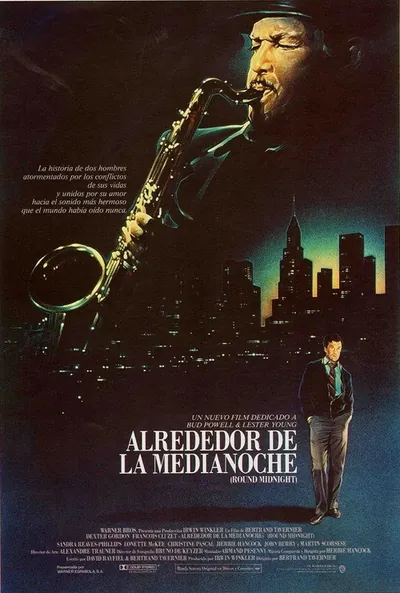 'Round Midnight1986
 The Bait1995
 Coup de Torchon1981
 The Clockmaker1974
 The Judge and the Assassin1976
 Revenge of the Musketeers1994
 Let Joy Reign Supreme1975
 A Sunday in the Country1984
 In the Electric Mist2009
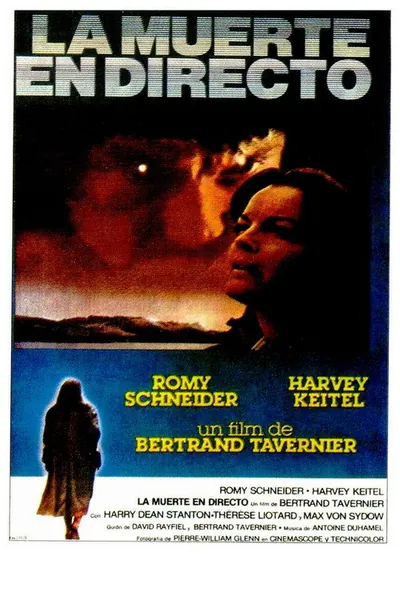 Death Watch1980
 Captain Conan1996
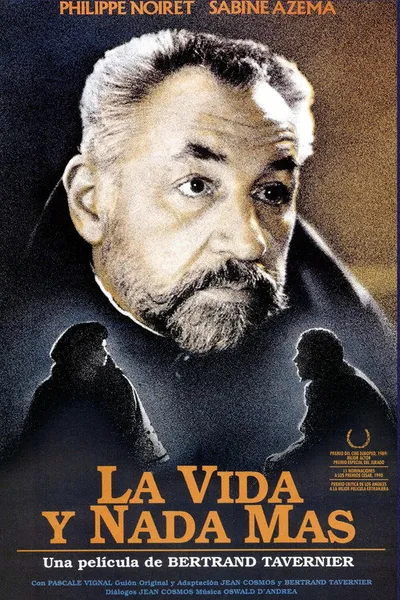 Life and Nothing But1989
- Mexican Slayride 1967 · screenplay
- The Clockmaker 1974 · director, screenplay
- Let Joy Reign Supreme 1975 · director, screenplay
- The Judge and the Assassin 1976 · director, screenplay
- Spoiled Children 1977 · director
- Death Watch 1980 · director, screenplay
- A Week's Vacation 1980 · director, screenplay, producer
- Coup de Torchon 1981 · director, screenplay
- A Sunday in the Country 1984 · director, screenplay, cast
- 'Round Midnight 1986 · director, screenplay
- Beatrice 1987 · director
- Life and Nothing But 1989 · director, screenplay
- Daddy Nostalgia 1990 · director, screenplay
- Against Oblivion 1991 · director
- L.627 1992 · director, screenplay
- The Young Girls Turn 25 1993 · cast
- Revenge of the Musketeers 1994 · director, screenplay, producer
- The Bait 1995 · director, screenplay
- The World of Jacques Demy 1995 · cast
- Captain Conan 1996 · director, screenplay
- It All Starts Today 1999 · director, screenplay
- Safe Conduct 2002 · director, screenplay
- Holy Lola 2004 · director, screenplay
- In the Electric Mist 2009 · director
- The Princess of Montpensier 2010 · director, screenplay
- Quai d'Orsay 2013 · director, screenplay
- Journey Through French Cinema 2016 · director, screenplay
Original Cinematopedia text based on Wikipedia (es) and Wikipedia (en) and Wikidata.