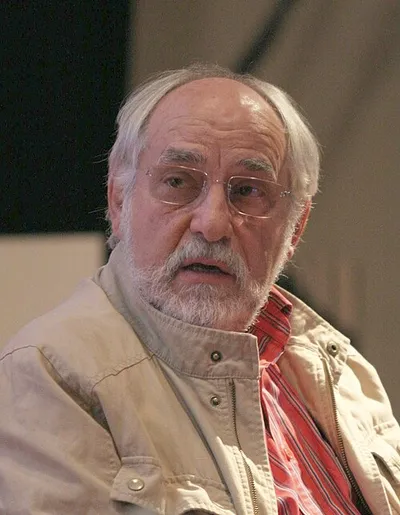
Arturo Ripstein
b. 1943 · Mexican film director and screenwriter
Biography
Arturo Ripstein (born Mexico City, 13 December 1943) is one of the most distinctive directors in Mexican cinema. Working since 1965, he has built a body of work in somber, slow-paced melodrama that has made him one of the country's most debated and respected filmmakers, and a reference point for art-house audiences across Latin America and Europe.
The son of producer Alfredo Ripstein, he grew up around the Mexican film industry. At fifteen he saw Nazarín (1958), which led him to Luis Buñuel, under whom he worked as a mentor-student relationship that lasted until Buñuel's death in 1983. After a couple of short films made as a teenager, he made his feature debut with Tiempo de morir (1965), a western based on a script by Carlos Fuentes and Gabriel García Márquez. His arrival came at a time when the unionised studio system rarely admitted new directors.
During the 1970s he refined his style with The Castle of Purity (1972), The Place Without Limits (1978) and other films. Recurring themes include loneliness and the failure to escape one's fate, often set in claustrophobic interiors. From the mid-1980s, his partnership with screenwriter Paz Alicia Garciadiego, beginning with El imperio de la fortuna (1986), gave his work a stronger international profile. In the 1990s he made The Beginning and the End (1993), which won the top prize at the San Sebastián Film Festival, and kept working steadily through a difficult decade for Mexican film.
Ripstein relies on long takes and a measured pace, qualities that have divided critics. Since the turn of the century, international attention has shifted toward younger Mexican directors, but his films remain among the most significant in the country's history. His honours include the National Prize for Arts and Sciences in 1997, the second awarded to a filmmaker after Buñuel, and several Ariel Awards.
Key films
- Tiempo de morir (1965): his feature debut, a western written by Carlos Fuentes and Gabriel García Márquez.
- The Castle of Purity (1972): one of the films that established his reputation in the 1970s.
- The Place Without Limits (1978): a study of life in a brothel and one of his most analysed works.
- El imperio de la fortuna (1986): the first film with Paz Alicia Garciadiego and a turning point in his international profile.
- The Beginning and the End (1993): winner of the top prize at the San Sebastián Film Festival.
- Deep Crimson (1996): a dark crime drama about a nurse and a small-time gigolo.
Trivia
Entry into the industry
His debut came at a time when the unionised Mexican film industry made it hard for new directors to enter. His father acquired the rights to the Fuentes and García Márquez script and entrusted him with the direction.
Spanish citizenship
In 2003 he and his wife, Paz Alicia Garciadiego, received Spanish citizenship by letter of nature.
On Cinematopedia
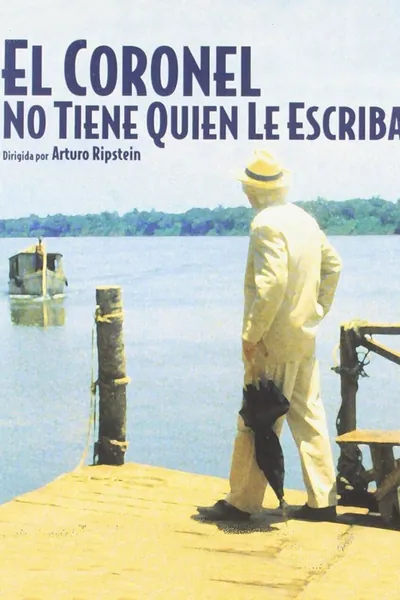 No One Writes to the Colonel
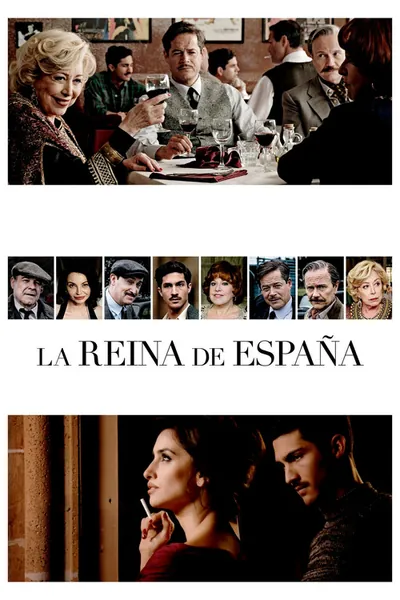 The Queen of Spain
 The Beginning and the End
 The Castle of Purity
 Deep Crimson
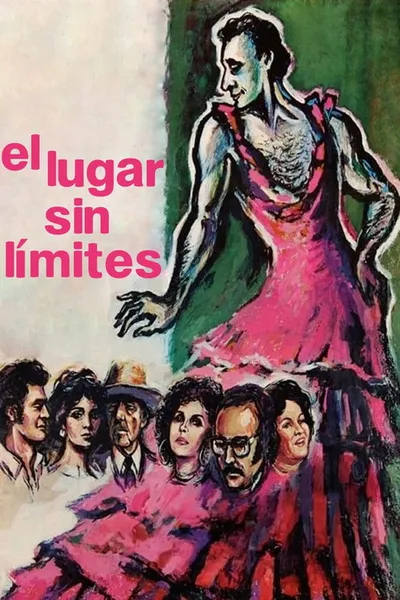 The Place Without Limits
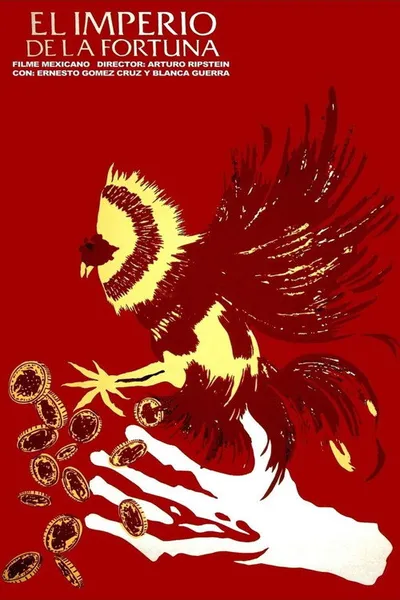 The Realm of Fortune
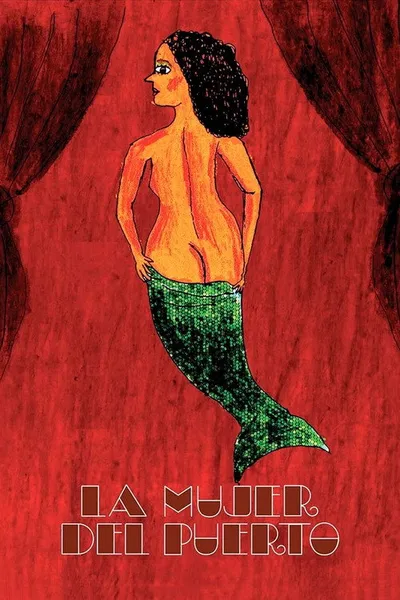 Woman of the Port
 The Gospel of the Marvels
 The Ruination of Men
Original Cinematopedia text based on Wikipedia (es) and Wikipedia (en) and Wikidata.