
Arthur Hoyt
1874–1953 · American character actor
Biography
Arthur Hoyt (Georgetown, Colorado, 1874 - Woodland Hills, California, 1953) was an American character actor who appeared in more than 275 films over a screen career of about thirty-four years. His work spanned the silent and sound eras, and he is remembered for the wide range of supporting parts he played rather than for stardom.
Before committing fully to film, Hoyt had worked on Broadway, making his debut there in 1905. His film career gathered pace in 1916, and until 1944 a new picture with his name in it appeared almost every year. He made the transition to sound, though he was usually cast as a henpecked husband or a put-upon office worker, and he often went uncredited. He may be best remembered as the motor-court manager who gives Clark Gable and Claudette Colbert a hard time in It Happened One Night, directed by Frank Capra. In the 1940s he became one of the regular character players in Preston Sturges' films. He retired from acting at seventy. His final film, The Sin of Harold Diddlebock, was shot in late 1944 and early 1945 but did not reach cinemas until 1947.
Key films
- The Four Horsemen of the Apocalypse (1921): a substantial role in the silent era, as Lieutenant Schnitz.
- The Lost World (1925): Professor Summerlee in the adaptation of Arthur Conan Doyle's novel.
- It Happened One Night (1934): the motor-court manager who crosses paths with the leading couple in Frank Capra's comedy.
- 20,000 Years in Sing Sing (1932): an uncredited supporting part in a prison drama.
- The Great McGinty (1940): one of the Preston Sturges films in which Hoyt took part.
Trivia
Retired at seventy
Hoyt left acting at the age of seventy, after a career that had begun in the silent era.
A film released after his retirement
His last film, The Sin of Harold Diddlebock, was shot in 1944 and 1945 but was not released until 1947.
On Cinematopedia
 It Happened One Night1934
 Mr. Deeds Goes to Town1936
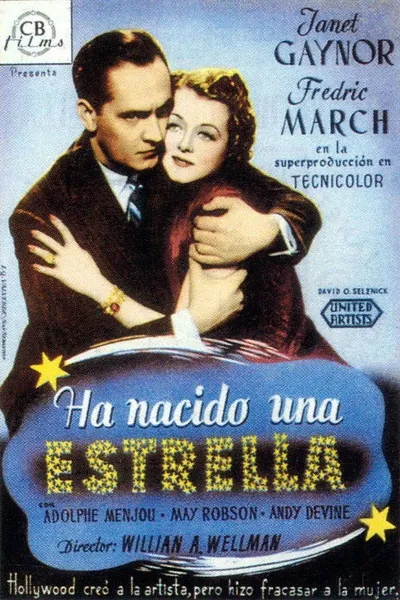 A Star Is Born1937
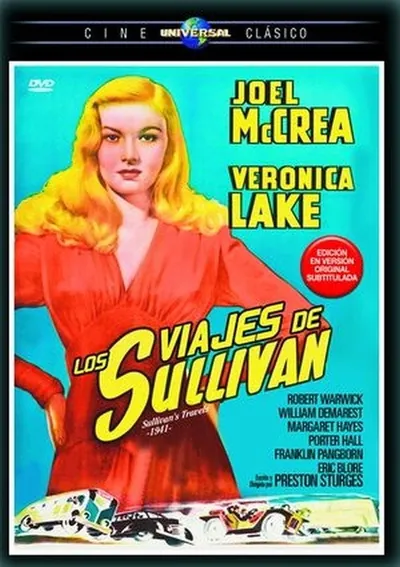 Sullivan's Travels1942
 Fury1936
 The Four Horsemen of the Apocalypse1921
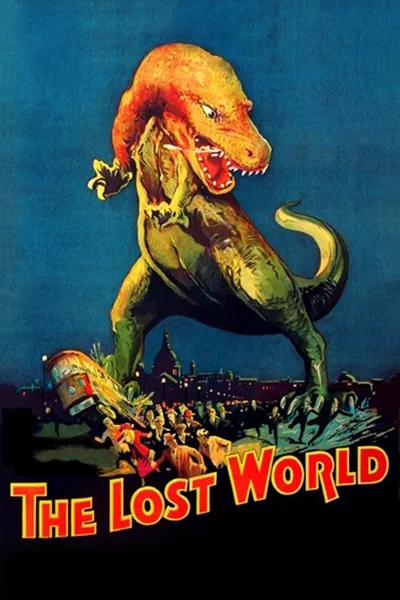 The Lost World1925
 The Great McGinty1940
 The Palm Beach Story1942
 20,000 Years in Sing Sing1932
 The Raven1935
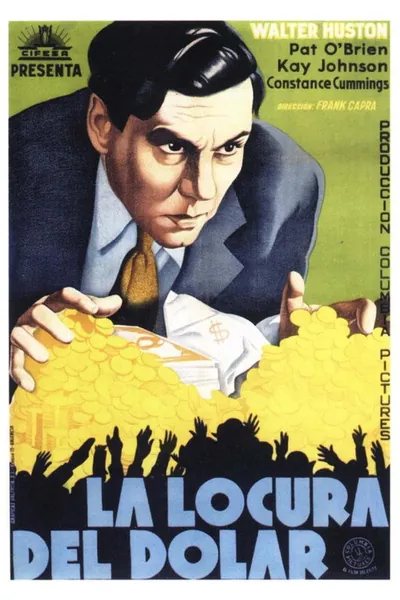 American Madness1932
- The Show Down 1917 · cast
- The Grim Game 1919 · cast
- A Slave of Vanity 1920 · cast
- The Four Horsemen of the Apocalypse 1921 · cast
- Camille 1921 · cast
- Souls for Sale 1923 · cast
- The Lost World 1925 · cast
- Any Woman 1925 · cast
- The Criminal Code 1930 · cast
- Inspiration 1931 · cast
- 20,000 Years in Sing Sing 1932 · cast
- American Madness 1932 · cast
- Madame Racketeer 1932 · cast
- Forbidden 1932 · cast
- Call Her Savage 1932 · cast
- The Impatient Maiden 1932 · cast
- The Prizefighter and the Lady 1933 · cast
- A Shriek in the Night 1933 · cast
- His Private Secretary 1933 · cast
- Only Yesterday 1933 · cast
- It Happened One Night 1934 · cast
- The Raven 1935 · cast
- Magnificent Obsession 1935 · cast
- $1,000 a Minute 1935 · cast
- Love Me Forever 1935 · cast
- Mr. Deeds Goes to Town 1936 · cast
- Fury 1936 · cast
- Poor Little Rich Girl 1936 · cast
- 15 Maiden Lane 1936 · cast
- A Star Is Born 1937 · cast
- You and Me 1938 · cast
- The Sisters 1938 · cast
- The Rage of Paris 1938 · cast
- Made for Each Other 1939 · cast
- The Great McGinty 1940 · cast
- Sullivan's Travels 1942 · cast
- The Palm Beach Story 1942 · cast
Original Cinematopedia text based on Wikipedia (en) and Wikidata.