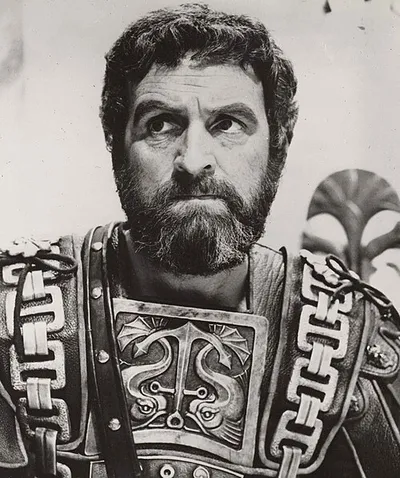
Andrew Keir
1926–1997 · Scottish actor of film, television and theatre
Biography
Andrew Keir, born Buggy in Shotts, Lanarkshire, in 1926 and died in London in 1997, was a Scottish actor who worked in theatre, television and film between the 1940s and the 1990s. He is now best remembered for his roles in several Hammer Film Productions of the 1960s and for playing Professor Quatermass in the film version of Quatermass and the Pit.
The son of a coal miner, he left school at fourteen to work underground beside his father. He began acting almost by chance, stepping in for a missing cast member in an amateur production at the local miners' hall. After a competition win drew attention to him, he joined the Unity Theatre in Glasgow and later the Citizens' Theatre, where he stayed for nine years. His film debut came in 1950, and his first major screen role was in The Brave Don't Cry (1952), a drama about trapped miners. Through the 1950s his parts grew in prominence, including A Night to Remember (1958), and in the 1960s he became a familiar face in Hammer's horror output and in the epic Cleopatra. On stage he originated Thomas Cromwell in Robert Bolt's A Man for All Seasons. He also made guest appearances on British television and, in the 1990s, on Scottish productions. His last major film role was the Duke of Argyll in Rob Roy (1995), and his final professional job was returning to Quatermass for a BBC Radio serial in 1996.
Key films
- Cleopatra (1963), as Agrippa
- The Fall of the Roman Empire (1964), as Polybius
- Dracula: Prince of Darkness (1966), as Father Sandor
- Quatermass and the Pit (1967), as Professor Bernard Quatermass
- Rob Roy (1995), as John Campbell, 2nd Duke of Argyll
Trivia
A last-minute replacement
Keir was called in to star in Blood from the Mummy's Tomb (1971) after Peter Cushing pulled out of the project.
Closing the line
In The Brave Don't Cry he was given the final line of dialogue, asking who won the race as he emerged from the pit.
On Cinematopedia
 Cleopatra1963
 The Fall of the Roman Empire1964
 Rob Roy1995
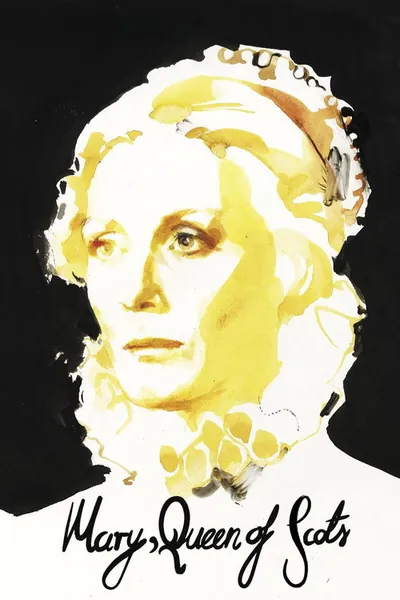 Mary, Queen of Scots1971
 Dracula: Prince of Darkness1966
 Lion of the Desert1980
 A Night to Remember1958
 Lord Jim1965
 Quatermass and the Pit1967
 Zeppelin1971
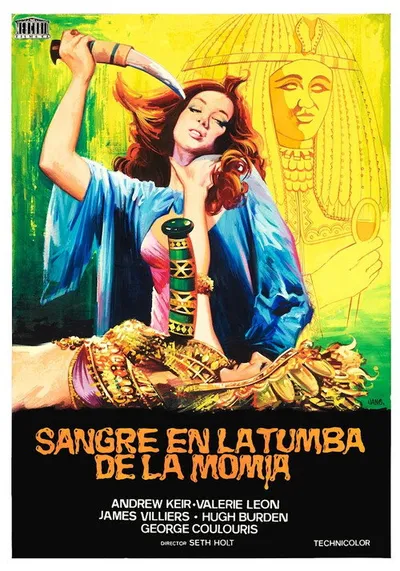 Blood from the Mummy's Tomb1971
 The Devil-Ship Pirates1964
- A Night to Remember 1958 · cast
- Tunes of Glory 1960 · cast
- The Day They Robbed the Bank of England 1960 · cast
- The Pirates of Blood River 1962 · cast
- Cleopatra 1963 · cast
- The Fall of the Roman Empire 1964 · cast
- The Devil-Ship Pirates 1964 · cast
- Lord Jim 1965 · cast
- Dracula: Prince of Darkness 1966 · cast
- Daleks' Invasion Earth 2150 A.D. 1966 · cast
- Quatermass and the Pit 1967 · cast
- The Long Duel 1967 · cast
- The Viking Queen 1967 · cast
- The Last Grenade 1970 · cast
- Mary, Queen of Scots 1971 · cast
- Zeppelin 1971 · cast
- Blood from the Mummy's Tomb 1971 · cast
- Absolution 1978 · cast
- The Thirty Nine Steps 1978 · cast
- Lion of the Desert 1980 · cast
- Marco Polo 1982 · cast
- Rob Roy 1995 · cast
Original Cinematopedia text based on Wikipedia (en) and Wikidata.