
Alex North
1910–1991 · American film composer
Biography
Alex North (born Isadore Soifer; Chester, Pennsylvania, 1910 – Los Angeles, California, 1991) was an American composer of film scores whose work defined much of the sound of Hollywood in the 1950s and 1960s. He also wrote for the stage and for television, and his career bridged classic studio scoring and a more modern, concert-influenced idiom.
He studied at the Juilliard School in New York and later took composition courses in Moscow between 1933 and 1935. Before entering film he worked as rehearsal pianist and composer for the choreographer Anna Sokolow. During the Second World War he served in the Army, writing music for documentaries. He composed for Broadway, including the score for the original production of Death of a Salesman. It was director Elia Kazan who brought him to Hollywood, where he made his film debut with A Streetcar Named Desire (1951), one of the first film scores based on jazz.
His style blended the thematic tradition of film music with dissonance and complex rhythms drawn from concert music, while keeping a lyrical melodic line. He worked often with the composer and orchestrator Henry Brant. His best-known scores include Viva Zapata!, Spartacus, Cleopatra, Who's Afraid of Virginia Woolf? and Under the Volcano. His music for 2001: A Space Odyssey was discarded by Stanley Kubrick late in production, and it stayed unheard until Jerry Goldsmith re-recorded it in 1993.
After his split from Kazan, North spent several years unable to work in Hollywood because of suspected communist affiliations. His career later recovered. He received fifteen Academy Award nominations, fourteen for score and one for a song, without winning any of them. In 1986 he was given an Honorary Academy Award, the first ever granted to a composer. His music endures largely through Unchained Melody, one of the most recorded songs of the twentieth century. He died in Los Angeles in 1991 at the age of 80.
Key films
- A Streetcar Named Desire (1951): one of the first jazz-based film scores, and his most celebrated work.
- Viva Zapata! (1952): a score for Elia Kazan's portrait of Emiliano Zapata.
- Spartacus (1960): Stanley Kubrick's epic, scored in a grand, monumental style.
- Cleopatra (1963): Joseph L. Mankiewicz's superproduction, one of his Oscar-nominated scores.
- Who's Afraid of Virginia Woolf? (1966): Mike Nichols's drama, with a harsh and restrained score.
Trivia
An almost universal melody
Unchained Melody came from North's score for a 1955 prison film. The song has been recorded by more than 670 artists in many languages.
A discarded score
Stanley Kubrick rejected the score North wrote for 2001: A Space Odyssey and used classical music instead. The score was not heard until Jerry Goldsmith re-recorded it in 1993.
On Cinematopedia
 A Streetcar Named Desire1951
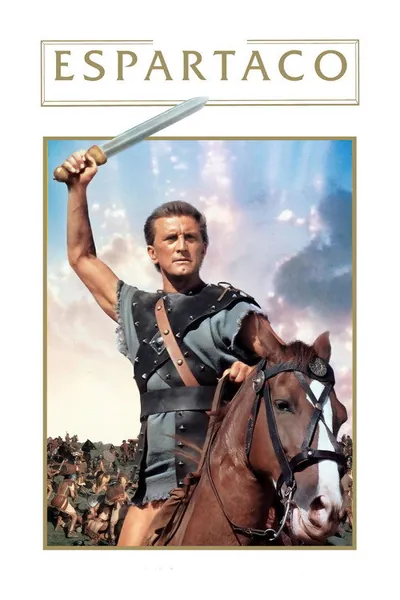 Spartacus1960
 Who's Afraid of Virginia Woolf?1966
 Cleopatra1963
 Prizzi's Honor1985
 Good Morning, Vietnam1987
 The Rose Tattoo1955
 Viva Zapata!1952
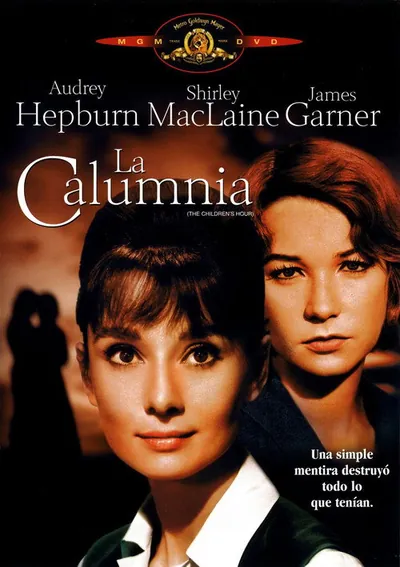 The Children's Hour1961
 Death of a Salesman1951
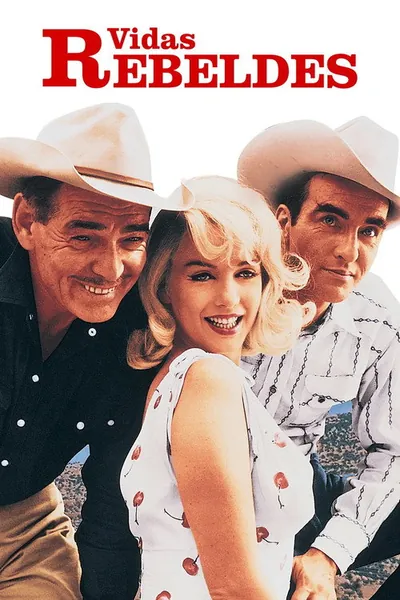 The Misfits1961
 The Agony and the Ecstasy1965
- A Streetcar Named Desire 1951 · music
- Death of a Salesman 1951 · music
- The 13th Letter 1951 · music
- Viva Zapata! 1952 · music
- The Member of the Wedding 1952 · music
- Les Misérables 1952 · music
- Désirée 1954 · music
- The Rose Tattoo 1955 · music
- I'll Cry Tomorrow 1955 · music
- Daddy Long Legs 1955 · music
- The Racers 1955 · music
- The Bad Seed 1956 · music
- The Rainmaker 1956 · music
- The King and Four Queens 1956 · music
- The Bachelor Party 1957 · music
- The Long, Hot Summer 1958 · music
- Stage Struck 1958 · music
- The Wonderful Country 1959 · music
- The Sound and the Fury 1959 · music
- Spartacus 1960 · music
- The Children's Hour 1961 · music
- The Misfits 1961 · music
- Cleopatra 1963 · music
- Cheyenne Autumn 1964 · music
- The Outrage 1964 · music
- The Agony and the Ecstasy 1965 · music
- Who's Afraid of Virginia Woolf? 1966 · music
- The Shoes of the Fisherman 1968 · music
- The Devil's Brigade 1968 · music
- Pocket Money 1972 · music
- Bite the Bullet 1975 · music
- Wise Blood 1979 · music
- Dragonslayer 1981 · music
- Under the Volcano 1984 · music
- Prizzi's Honor 1985 · music
- Death of a Salesman 1985 · music
- Good Morning, Vietnam 1987 · music
- The Dead 1987 · music
Original Cinematopedia text based on Wikipedia (es) and Wikipedia (en) and Wikidata.