Golden Age of Mexican cinema
77 films · 1936–1959
The Golden Age of Mexican cinema is the period roughly spanning 1936 to 1959, during which Mexico's film industry achieved regular production, a solid market across Spanish-speaking Latin America, and international recognition unusual for a Latin American national cinema. Its limits are set by convention. The start is usually placed in 1936, the year of successful titles such as Allá en el Rancho Grande and Vámonos con Pancho Villa, while the end is associated with the decline of the major studios and the exhaustion of the commercial formula of the forties and fifties.
The period developed mainly in Mexico City, around studios such as Churubusco and production companies that depended on a few large firms and on the growing cinema audience across the continent. Its historical context is inseparable from the post-revolutionary years. Films of this era drew on the imagery of the countryside, mestizo identity, the charro figure and the novel of the Revolution, while also relying on radio and popular music to build a shared language. The industry organized itself around recognizable stars, directors and genres, with melodrama, the ranchera comedy and adventure films as the mainstays of the programme.
In terms of style, it is useful to distinguish several strands. First, popular melodrama, with stories of thwarted love, honour and sacrifice, shot with close attention to faces and studio lighting. Second, a more sober and painterly cinema, closely tied to the photography of Gabriel Figueroa, with landscape framing and intense chiaroscuro. There is also a current of social denunciation and harshness that contrasts with the friendlier image often associated with the period.
Among its figures, Emilio Fernández stands out. His collaboration with Figueroa produced films such as María Candelaria and Flor silvestre, in which landscape and national myth carry central weight. Fernando de Fuentes, with Vámonos con Pancho Villa, offered a more critical view of the Revolution. Ismael Rodríguez contributed to popular cinema and rural melodrama. Roberto Gavaldón worked in thriller and psychological drama, with titles such as La otra and Río Escondido. Luis Buñuel, who settled in Mexico in 1946 and made some of his most personal works there, left films such as Los olvidados, Él, Ensayo de un crimen and Nazarín, now studied as part of universal film history.
The period's influence is considerable. Many of its films remain reference points for Latin American audiences, and several won prizes at European festivals, which helped carry Mexican cinema beyond the continent. Its legacy can also be seen in later generations of Mexican filmmakers, who returned both to the search for a distinct visual identity and to attention to social reality. This page brings together 71 films from the era, from major melodramas to works of authorship, as a starting point for exploring a decisive period in the history of Spanish-language cinema.
 Los Olvidados1950
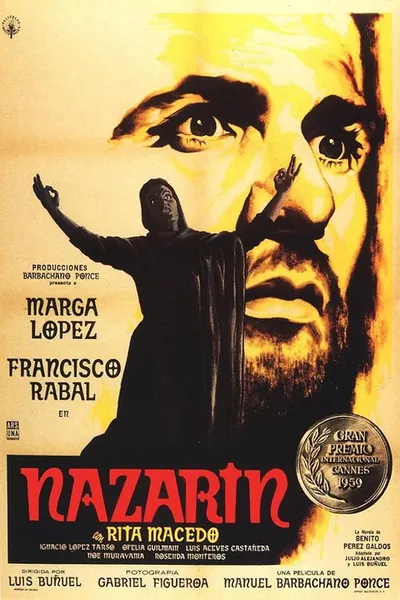 Nazarín1959
 Él (US release: This Strange Passion)1953
 Robinson Crusoe1954
 María Candelaria1944
 The Criminal Life of Archibaldo de la Cruz1955
 The Pearl1947
 The Brute1953
 Wuthering Heights1954
 Death in the Garden1956
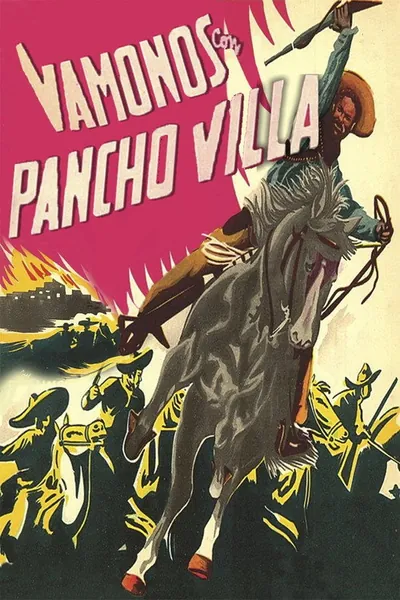 Let's Go with Pancho Villa1936
 The Great Madcap1949
 Susana1950
 Fever Mounts at El Pao1959
 Mexican Bus Ride1952
 Illusion Travels by Streetcar1954
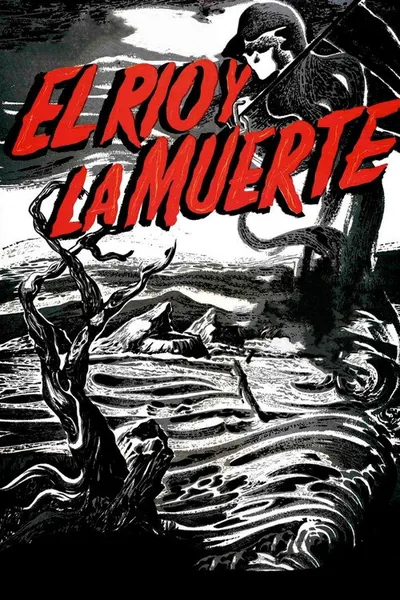 The River and Death1955
 Wild Flower1943
 The Abandoned1945
 Daughter of Deceit1951
 A Woman Without Love1952
 The Other1946
 Hidden River1948
 Gran Casino1947
 The Soldiers of Pancho Villa1959The Unloved Woman1949The Unloved Woman1949
 Allá en el Rancho Grande1936
 Tizoc1957
 Beyond All Limits1959
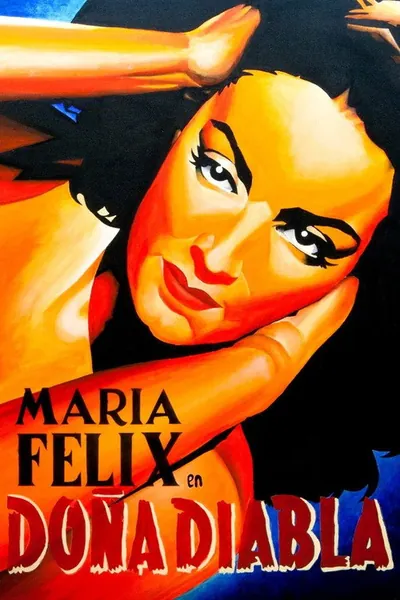 The Devil Is a Woman1950
 The Kneeling Goddess1947
 A Family Like Many Others1949
 The Hidden One1956
 You're Missing the Point1940
 Ash Wednesday1958
 Rossana1953
 The Soulless Woman1944
 Enamorada1946
 Doña Perfecta1951
 Bugambilia1945
 Maclovia1948
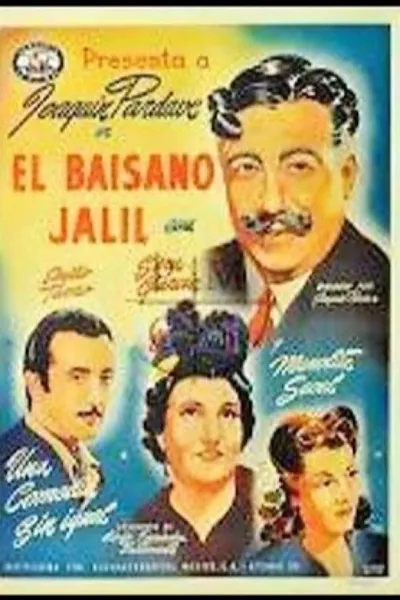 El baisano Jalil1942
 Pueblerina1948
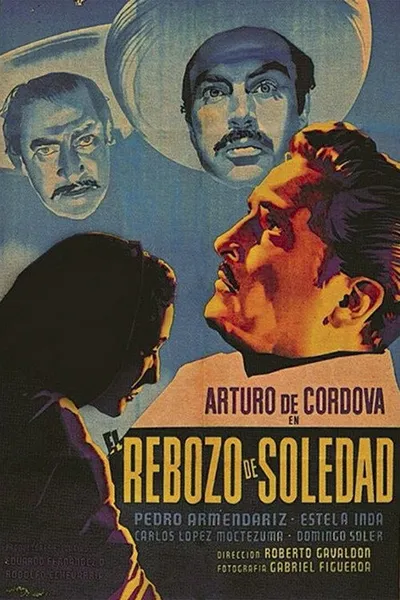 Soledad's Shawl1952
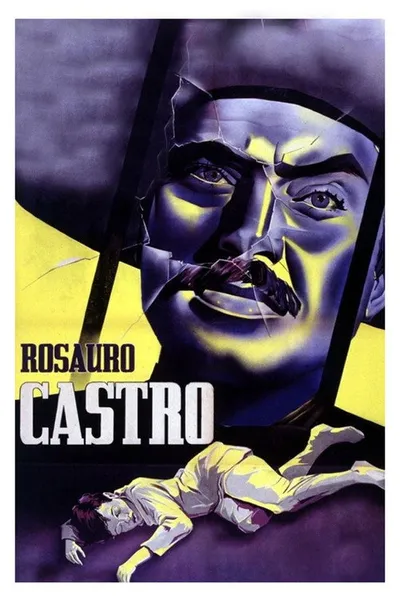 Rosauro Castro1950
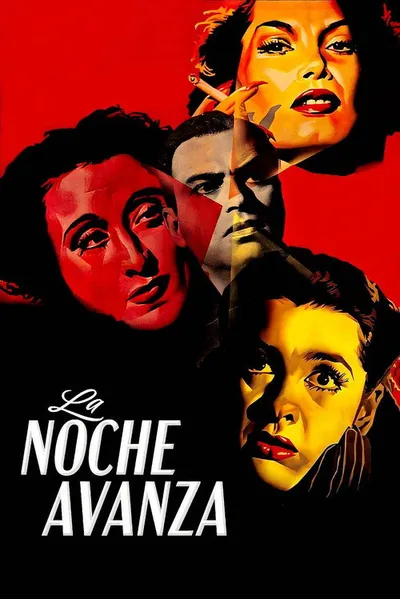 The Night Falls1952
 Philip of Jesus1949
 The Count of Monte Cristo1942
- La Zandunga 1938
- The Night of the Mayas 1939
- That's the Way We Love in Jalisco! 1942
- A Great Love Story 1942
- The Saint Who Forged a Country 1942
- Doña Bárbara 1943
- Another Dawn 1943
- My Memories of Mexico 1944
- The Shack 1945
- Cantaclaro 1946
- La mujer de todos 1946
- The Road to Sacramento 1946
- The Three Garcias 1947
- We, the Poor 1948
- Corner Stop 1948
- The Black Sheep 1949
- Salón México 1949
- Immaculate 1950
- What Has That Woman Done to You? 1951
- In the Palm of Your Hand 1951
- Kill Me Because I'm Dying! 1951
- Two Guys To Be Afraid Of 1952
- Forever Yours 1952
- The Three Perfect Wives 1953
- Remember to Live 1953
- Green Shadow 1954
- Camelia 1954
- A Date of Love 1958
- The Life of Agustín Lara 1959